Making a record from field recordings
A few notes on turning ordinary places into the beginning of a song.

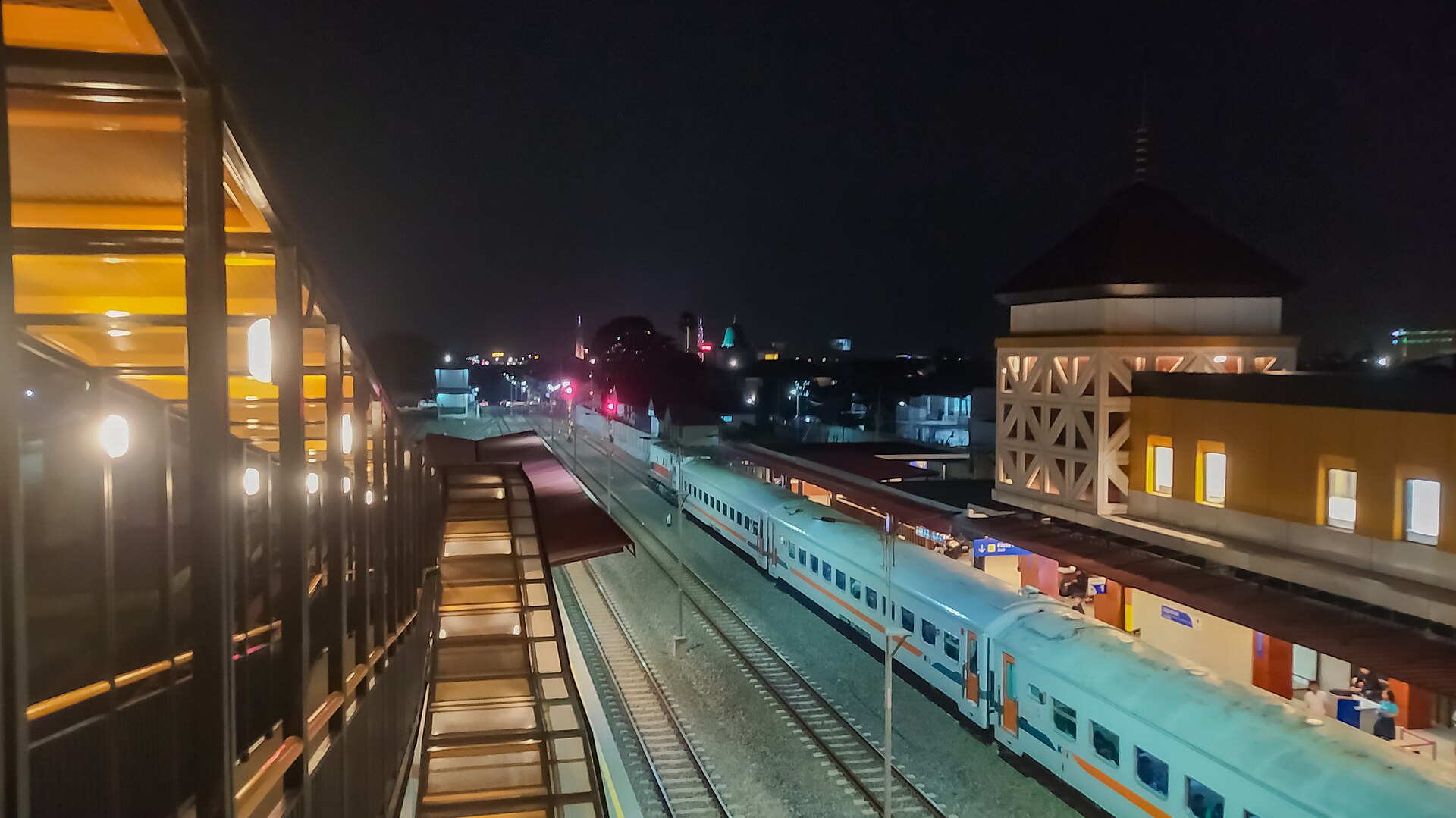
The first sound in After Rain was not made in a studio. It was the low, uneven hum of a train leaving Bandung just before sunrise.
Start with attention
Field recording is less about collecting impressive sounds and more about learning to notice what is already there. I keep a small recorder in my bag, but the important part is the habit of listening:
- Find a place with a distinct rhythm.
- Record longer than feels necessary.
- Write down where and when the sound was captured.
- Return to it later, without trying to force it into a song.
Let it change on the way
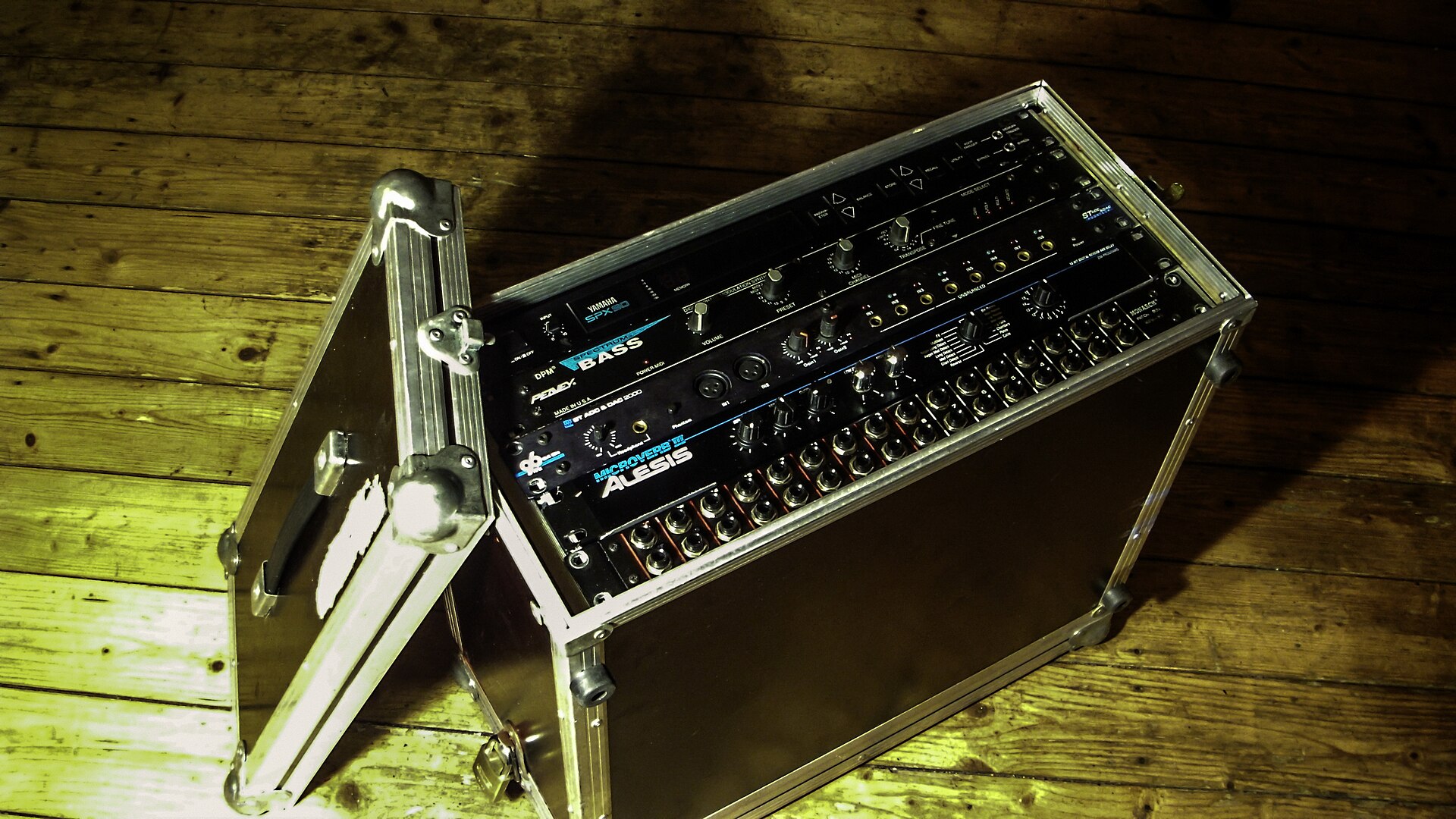
The distance between the original place and the studio is where the music starts to change. Most of the recording ends up passing through a few pieces of outboard gear before it sits inside a song — a little compression, a long delay, nothing that hides where it came from.
Small practice
Leave room for the recording to remain itself.